Quick Answer:
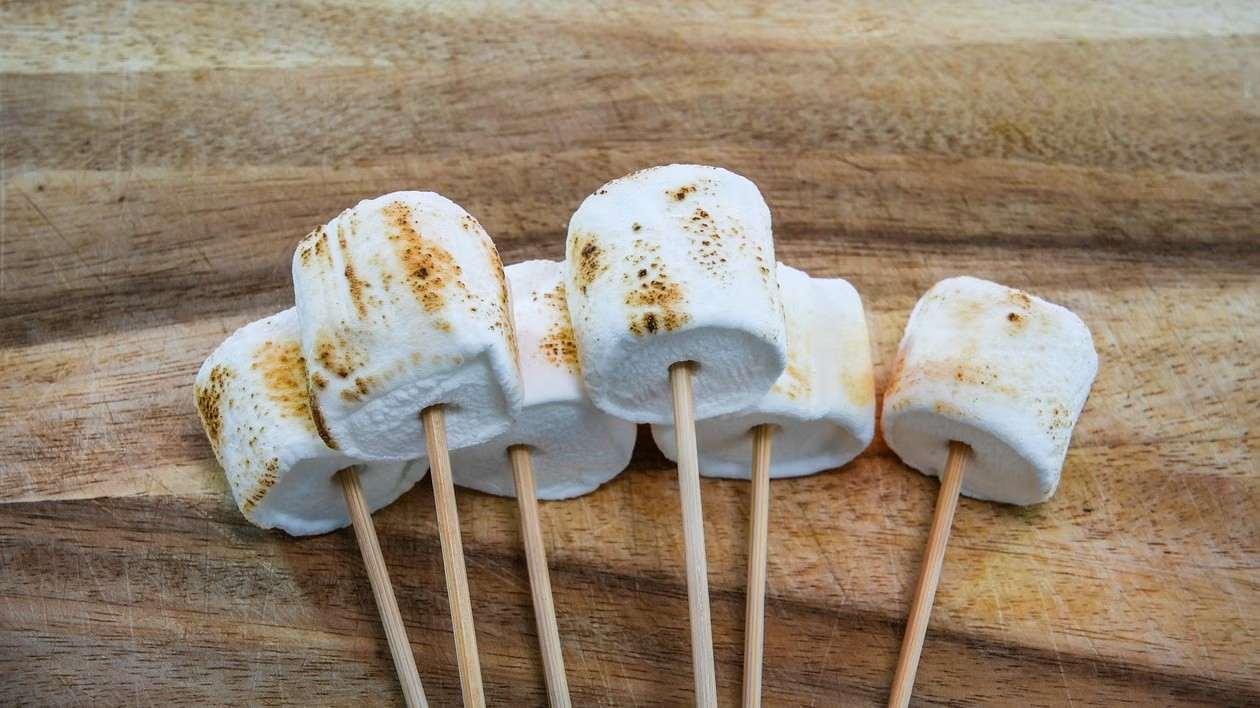
Most plain marshmallows are gluten-free by ingredients, but they are not automatically safe for every gluten-free consumer.
Traditional marshmallows are usually made with sugar, corn syrup, water, gelatin, starch, and flavoring. These ingredients usually don’t come from wheat, barley, or rye. The concern is what else may be added, how the product is processed, and whether the brand controls gluten cross-contact.
For people with celiac disease or strong gluten sensitivity, the safest choice is a marshmallow product that is clearly labeled gluten-free or backed by third-party gluten-free certification.
What Are Marshmallows Made From?
A simple marshmallow formula usually includes sweeteners, a whipping or gelling agent, moisture, starch, and flavor.
Common ingredients include:
- Sugar
- Corn syrup
- Dextrose
- Water
- Gelatin
- Corn starch or modified corn starch
- Vanilla or other flavors
- Colours, coatings, or anti-sticking starches
On their own, these ingredients are often gluten-free. However, marshmallows can become questionable when a formula includes wheat starch, barley malt, cookie pieces, cereal inclusions, alcohol-based flavors, or shared-line exposure.
That is why consumers should not judge only by the word “marshmallow.” The full ingredient list and manufacturing controls matter.
Where Gluten Can Show Up
Plain marshmallows are usually low risk, but flavored, filled, coated, or seasonal products need more attention.
| Product Type | Gluten-Free Risk |
| Plain marshmallows | Usually low risk if made without wheat, barley, rye, or gluten-containing additives |
| Mini marshmallows | Similar to plain marshmallows, but check starch and facility statements |
| Chocolate-coated marshmallows | Higher risk if coatings, wafers, cookie crumbs, or malt ingredients are used |
| Cereal marshmallow treats | Often higher risk because cereal may contain barley malt or wheat ingredients |
| Flavored marshmallows | Check natural flavors, colors, starches, and inclusions |
| Imported marshmallows | Review labels carefully because starch and allergen rules may vary by market |
If a package contains cookie bits, graham pieces, malt flavor, wafer layers, or cereal clusters, don’t assume it’s gluten-free.
Gluten-Free Labeling Matters
In the United States, “gluten-free” is a voluntary claim, but if a food uses the claim, it must meet FDA requirements. FDA requires foods labeled “gluten-free,” “free of gluten,” “without gluten,” or “no gluten” to contain less than 20 parts per million gluten.
This matters because “no gluten ingredients” is not the same as a verified gluten-free claim. A product may appear safe from the ingredient list but still be exposed to gluten during storage, batching, dusting, coating, packaging, or shared equipment use.
CGA explains this difference further in its guide to Gluten Friendly vs Gluten Free. For consumers with medical gluten concerns, that distinction is important.
Cross-Contact in Marshmallow Manufacturing
Cross-contact happens when gluten from another ingredient or product unintentionally reaches a food that is meant to be gluten-free.
In marshmallow production, this can happen through:
- Shared mixers or kettles
- Shared dusting starch systems
- Conveyors and cooling belts
- Cutting equipment
- Coating or enrobing lines
- Rework from other products
- Packaging equipment
- Ingredient storage areas
This is especially important for facilities that also make cookies, snack bars, cereal treats, coated candies, or bakery-style products.
A strong gluten-free program should include ingredient review, supplier approval, production scheduling, validated cleaning, staff training, finished product checks, and label control.
How Consumers Can Check Marshmallows
Consumers can use a simple review before buying.
First, look for a gluten-free label or certification mark. Then read the ingredient list carefully. Avoid products with wheat, barley, rye, malt, wheat starch, cookie pieces, graham crumbs, or unclear cereal inclusions.
Also check precautionary statements such as “made in a facility that also processes wheat.” These statements are not the same as a gluten-free claim, but they can help consumers make a more informed decision.
When in doubt, contact the manufacturer and ask whether the exact marshmallow product is tested or verified gluten-free.
What Brands Should Verify
For manufacturers, support a gluten-free marshmallow claim before printing packaging.
Brands should review:
- Ingredient specifications
- Supplier gluten statements
- Starch source
- Flavor and color documentation
- Shared-line risk
- Cleaning procedures
- Allergen and gluten-control SOPs
- Finished product testing, where needed
- Label and claim approval
CGA’s Gluten-Free Certification helps food manufacturers verify gluten-free claims through ingredient control, facility review, traceability, and third-party audit.
If marshmallows are made in a bakery, candy kitchen, restaurant, or foodservice operation, CGA’s Gluten-Free Kitchen Certification can also help businesses understand how preparation and handling controls affect gluten-free integrity.
Are Marshmallow Treats Gluten Free?
Marshmallow treats need extra review because the marshmallow is only one part of the recipe.
Rice cereal may be gluten-free, but some cereals use barley malt flavoring. Butter, chocolate, sprinkles, cookie pieces, flavor syrups, and toppings may also introduce gluten risk.
Homemade treats can be gluten-free if every ingredient is gluten-free and preparation tools are clean. Check commercial treats by product, not by category.
What About Marshmallow Creme?
Marshmallow creme or fluff follows the same logic. Many products use sweeteners, egg whites, stabilizers, and flavoring, but gluten status still depends on starches, flavors, shared equipment, and labeling. Check the product label carefully before buying.
Why Certification Builds Trust
Gluten-free shoppers often rely on labels because they cannot see what happens inside the production facility.
Certification gives brands a stronger way to support claims. It helps verify that ingredients, supplier records, production controls, cleaning practices, testing, and label use match gluten-free requirements.
For brands, this can reduce claim risk and improve retailer confidence. For consumers, it reduces guesswork.
If your company manufactures marshmallows, candies, snack bars, cereal treats, or other gluten-sensitive products, you can obtain a quote from CGA to begin reviewing your gluten-free certification needs.
Summary
Most plain marshmallows are gluten-free by ingredients, but not every marshmallow product is automatically safe for gluten-free consumers.
The main risks come from wheat starch, malt, cookie or cereal inclusions, flavor systems, shared equipment, and weak manufacturing controls. Consumers should check labels, look for verified gluten-free claims, and contact the brand when the source is unclear.
For manufacturers, a gluten-free marshmallow claim should be supported by documentation, cross-contact controls, appropriate testing, and credible third-party verification.