Quick Answer:
Yes, pure corn starch is naturally gluten-free as corn does not contain gluten, and plain corn starch is made from the starchy part of corn kernels. That means a simple product labeled only as corn starch should not contain wheat, barley, or rye ingredients.
However, gluten-free consumers should still check labels. Risk can come from shared facilities, cross-contact, blended starch products, imported products, flavor systems, or foods where corn starch is only one ingredient.
For people with celiac disease or strong gluten sensitivity, the safest choice is corn starch that is clearly labeled gluten-free or third-party certified.
What is Corn Starch?
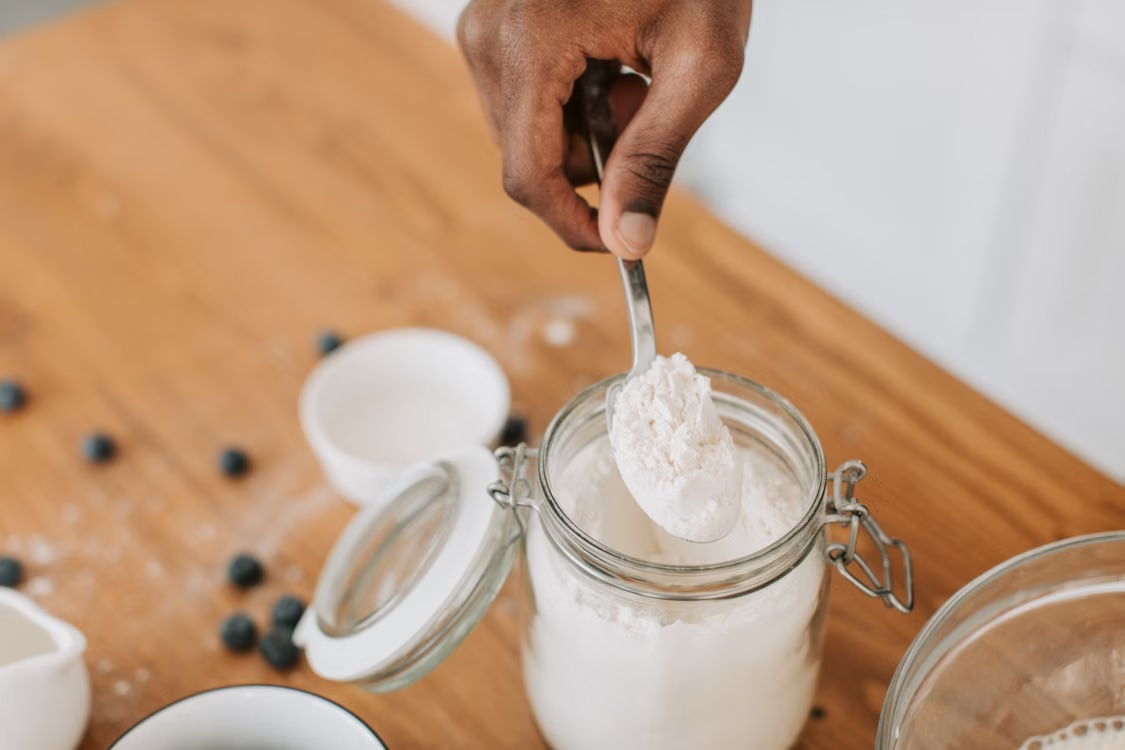
Corn starch is a fine white powder made from the endosperm of corn. It is used to thicken, stabilize, coat, or improve texture.
You may find corn starch in:
- Sauces and gravies
- Soups
- Puddings and custards
- Candy and marshmallows
- Bakery fillings
- Seasoning blends
- Fried food coatings
- Gluten-free baking mixes
- Processed snacks
Because corn starch is widely used, consumers often ask whether it is safe for a gluten-free diet. The answer depends on whether the product is pure corn starch and whether consumers properly control gluten cross-contact.
Why Corn Starch is Usually Gluten-Free
Gluten is a protein found in wheat, barley, rye, and related grains. Corn is not one of those grains.
Plain corn starch is made from corn, so it is naturally gluten-free by source. It is different from wheat starch, which comes from wheat and requires much more careful review.
The key word is “plain.” If the ingredient list says only corn starch, the basic ingredient is gluten-free. If the product says modified corn starch, the source is still corn. If the label says modified food starch, consumers should check the source, especially outside the United States.
CGA explains the difference between ingredient-level comfort and verified claims in its guide to Gluten Friendly vs Gluten Free.
Where Gluten Risk Can Appear
Corn starch can become a concern when it is handled, blended, packed, or used in products that also contain gluten.
| Situation | Gluten-Free Concern |
| Pure corn starch | Usually gluten-free by ingredient |
| Corn starch packed in a shared facility | Cross-contact may be possible |
| Corn starch in seasoning blends | Wheat flour, malt, or barley ingredients may be added |
| Corn starch in sauces or soups | Other thickeners or flavor bases may contain gluten |
| Corn starch in candy or desserts | Cookie pieces, malt flavor, wafers, or cereal inclusions may add gluten |
| Imported starch products | Labeling rules and starch terms may differ by market |
This is why the product category matters. Plain corn starch is different from a gravy mix, candy, snack coating, or dessert filling with many ingredients.
Is Modified Corn Starch Gluten-Free?
Modified corn starch is usually gluten-free because it is still derived from corn. “Modified” usually refers to the way the starch has been physically, enzymatically, or chemically treated to improve performance in food.
It does not automatically mean genetically modified, and it does not mean wheat was added.
However, consumers should not confuse modified corn starch with modified food starch. If the source is not named, check the label or contact the manufacturer. In the US, wheat must be declared as a major allergen, but barley and rye are handled differently.
Cross-Contact in Production
Cross-contact happens when gluten unintentionally reaches a gluten-free product.
For corn starch, possible cross-contact points include:
- Shared storage bins
- Shared milling or blending equipment
- Dust in dry ingredient rooms
- Reused scoops or containers
- Shared packaging lines
- Rework from gluten-containing products
- Poor cleaning procedures
This is especially important for facilities that handle flour, bakery mixes, breading, cereals, malt ingredients, or snack coatings.
For a gluten-free claim, manufacturers need more than a gluten-free ingredient list. They need controls that protect the product through receiving, storage, batching, production, packaging, and labeling.
What Consumers Should Check
Before buying corn starch, check the front label, ingredient list, allergen statement, and any gluten-free claim.
Look for:
- “Corn starch” as the only ingredient
- A gluten-free label or certification mark
- No wheat, barley, rye, malt, or wheat starch
- No shared-facility warning that concerns you
- Clear brand contact information
For people with celiac disease, certified gluten-free products offer stronger confidence because the product and facility controls have been reviewed.
What Brands Should Verify
Food manufacturers using corn starch in gluten-free products should confirm more than the source crop.
A strong review should include:
- Supplier gluten statement
- Starch source documentation
- Certificates of analysis, where relevant
- Allergen and gluten controls
- Receiving and storage procedures
- Shared-line cleaning records
- Batch traceability
- Finished product testing, where appropriate
- Label claim review
CGA’s Gluten-Free Certification helps brands support gluten-free claims through ingredient review, facility controls, traceability, and third-party audit.
Brands can also review CGA’s Gluten-Free Kitchen Certification Requirements and Process to understand the documentation, facility controls, testing, and certification steps that support credible gluten-free claims.
Summary
Corn starch is generally gluten-free because it comes from corn, not wheat, barley, or rye.
The main risks come from cross-contact, confusing starch terms, shared facilities, blended products, and finished foods that include other gluten-containing ingredients. Consumers should check the exact product label, not only the ingredient name.
For brands, support a gluten-free corn starch claim with supplier documents, production controls, label review, and testing where appropriate.
If your company manufactures gluten-free foods or ingredients, you can obtain a quote from CGA to begin reviewing your certification needs.
Frequently Asked Questions (FAQs)
Yes. Pure corn starch is naturally gluten-free because it is made from corn. Consumers should still check labels for cross-contact statements, added ingredients, or gluten-free certification.
Modified corn starch is usually gluten-free because it is still made from corn. The word “modified” refers to starch performance, not wheat content. Check unclear labels.
Plain corn starch can be safe for people with celiac disease if it is not contaminated with gluten. Certified gluten-free corn starch provides stronger assurance.
No. Corn starch comes from corn. Wheat starch comes from wheat and needs special verification before it can be used in a gluten-free labeled food.
The corn starch itself is usually gluten-free, but the finished food may include wheat, barley, rye, malt, or gluten cross-contact. Always check the whole ingredient list.
Can’t find what you’re looking for?