Quick Answer
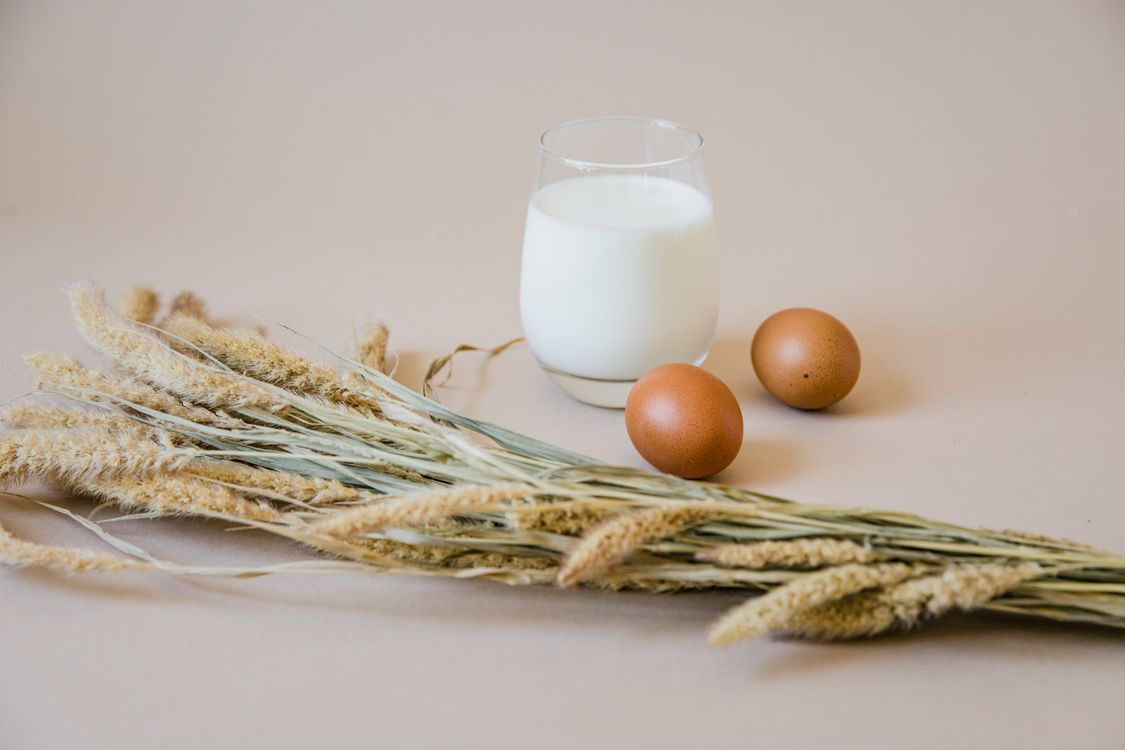
Yes, plain milk is gluten-free. Regular cow’s milk does not naturally contain wheat, barley, rye, or gluten.
The concern usually starts when milk is flavored, processed into another dairy product, mixed with additives, or produced in a facility that also handles gluten-containing ingredients.
For most shoppers, the safest habit is simple: plain milk is usually fine, but always read the label on flavored milk, malted drinks, dairy desserts, and milk alternatives.
What Makes Milk Gluten-Free?
Gluten is a protein found in wheat, barley, rye, and related grains. Plain milk comes from dairy, not grain, so it does not naturally contain gluten.
This includes:
- Whole milk
- Reduced-fat milk
- Low-fat milk
- Skim milk
- Lactose-free plain milk
- Plain powdered milk, when no gluten ingredients are added
If the product is plain and does not include added flavorings, cereal ingredients, cookie pieces, malt, or gluten-based thickeners, it is generally considered gluten-free.
If you are checking other dairy products too, CGA’s Is Cheese Gluten-Free guide explains when cheese is naturally gluten-free and when additives, flavorings, or shared handling can pose a risk.
When Can Milk Products Become a Concern?
Milk itself is naturally gluten-free, but not every product in the dairy aisle is automatically safe for someone avoiding gluten.
The risk usually comes from added ingredients or processing conditions.
| Product Type | Gluten Risk | What to Check |
| Plain milk | Low | Usually gluten-free if no added ingredients |
| Chocolate or flavored milk | Possible | Check flavors, stabilizers, and added ingredients |
| Malted milk drinks | High | Malt usually comes from barley |
| Milkshakes | Possible | Check mix-ins, cookies, syrups, and shared blenders |
| Dairy desserts | Possible | Check wafers, crumbs, cookie dough, or thickeners |
| Plant-based milk | Possible | Check oats, flavorings, and gluten-free claims |
The word “milk” on a product does not tell the whole story. The full ingredient list matters.
Watch Out for Malt and Flavorings
Malted milk is one of the clearest examples of a milk-based product that is not usually gluten-free.
Malt is commonly made from barley, which contains gluten. That means malted milk powder, malted milk drinks, and some milkshake mixes may not be suitable for people with celiac disease or gluten sensitivity.
Flavored milk can also require a closer look. Chocolate, strawberry, vanilla, coffee, or seasonal flavors may use flavor systems, stabilizers, or other ingredients not listed on the front label.
If the label says “gluten-free,” that gives more confidence. If it does not, read the ingredient list and contact the brand if anything looks unclear.
Read More: Gluten Friendly vs Gluten Free: The Key Difference
Is Lactose-Free Milk Gluten-Free?
Lactose-free milk can still be gluten-free.
Lactose is a milk sugar. Gluten is a protein found in certain grains. These are different things.
Someone may avoid lactose because of lactose intolerance, while someone may avoid gluten because of celiac disease, gluten sensitivity, or a wheat-related concern. One does not automatically mean the other.
Plain lactose-free milk is usually gluten-free, but flavored versions should still be checked the same way as regular flavored milk.
What About Plant-Based Milk?
Plant-based milk is not automatically gluten-free.
Almond, soy, coconut, rice, and pea milk are often gluten-free when made without gluten ingredients. Oat milk needs extra attention because oats are often at risk of gluten cross-contact unless they are specially controlled and labeled gluten-free.
Flavored plant-based milk may also contain additives, natural flavors, barley malt, or other ingredients that should be checked.
For people who need strict gluten avoidance, a certified gluten-free claim can provide stronger confidence.
How to Check Milk Products Quickly
Use this simple label check before buying:
- Start with plain milk when possible.
- Look for a gluten-free claim on flavored or specialty products.
- Avoid malted milk unless it is clearly labeled gluten-free.
- Check for wheat, barley, rye, malt, cookie pieces, cereal, or wafer ingredients.
- Be careful with shared milkshake equipment at cafés or restaurants.
- Contact the manufacturer if the label is unclear.
For packaged products, a gluten-free label can be helpful because it shows the company is making a defined claim. For food businesses, that claim should be supported by ingredient review, supplier controls, and cross-contact prevention.
Why Certification Matters for Food Brands
Consumers who avoid gluten often look for clear signals they can trust.
For food brands, restaurants, cafés, and dairy processors, gluten-free certification can help verify that gluten-free claims are supported by proper controls. This may include ingredient review, production practices, testing, sanitation, supplier documentation, and label review.
CGA’s Gluten-Free Certification can support businesses that want to strengthen gluten-free claims and build consumer confidence.
Summary
Plain milk is naturally gluten-free. The main concern is not the milk itself, but what gets added to it or how it is handled.
Flavored milk, malted milk, milkshakes, dairy desserts, and plant-based milk should be checked more carefully. Look for gluten-free labeling, review the ingredient list, and avoid malt unless the product is clearly confirmed gluten-free.
For companies producing dairy or dairy alternative products, CGA can help review certification needs and support a stronger gluten-free program.
Obtain a Quote to learn more about gluten-free certification with Carat Global Assurance.
Frequently Asked Questions (FAQs)
Yes, plain cow’s milk is naturally gluten-free because it does not come from wheat, barley, rye, or related grains.
The risk usually starts when flavors, additives, malt, or other ingredients are added.
Chocolate milk can be gluten-free, but it depends on the ingredient list.
Check for gluten-free labeling and review flavorings, stabilizers, malt, or any added ingredients that may contain gluten.
Malted milk is usually not gluten-free because malt is commonly made from barley.
People with celiac disease or gluten sensitivity should avoid malted milk unless the product is clearly labeled gluten-free.
Plain lactose-free milk is usually gluten-free.
Lactose and gluten are different substances, but flavored lactose-free products should still be checked for added gluten ingredients.
Some plant-based milks are gluten-free, but not all.
Oat milk, flavored plant-based milk, and products made on shared lines should be checked carefully for gluten-free labeling and cross-contact controls.
Can’t find what you’re looking for?