For many people, the creamy texture and depth of flavor gotten from a good cheddar or brie is the hardest thing to forget, particularly after going vegan. So, is cheese vegan or not?
Short Answer: Traditional cheese isn’t vegan, most plant-based cheese are vegan.
Traditional cheese is, by definition, a dairy product, and therefore cannot be classified as vegan. However, vegan cheese is fast becoming a standard in the food industry due to an increasing demand for plant-based alternatives.
Why Most Cheese Isn’t Vegan
Traditional cheese is a dairy product, typically made with milk gotten from cows, goats or sheep. Since veganism excludes all products derived from animals, any cheese made from animal milk is prohibited.
But it’s not limited to just milk. Something many people aren’t aware of is that even if they do not mind consuming dairy products (like vegetarians), traditional cheese usually contains animal rennet, an ingredient that technically makes it non-vegetarian.
Did you know? The global vegan cheese market is expected to reach around $10.67 billion by 2034, about three times its approximate worth of $3.76 billion in 2025.
The reason for this rapid CAGR can be attributed to significant improvements in taste, texture and meltability of vegan cheese.
How Vegan Cheese Mimics the Melt of Traditional Cheese
If vegan cheese doesn’t come from a cow, how then are cheese manufacturers able to achieve that unique, creamy, and melty feel? Modern vegan cheese isn’t just a substitute for traditional cheese, it’s a masterpiece of plant science.
To achieve the accurate melt of traditional cheese, vegan cheese brands use a combination of different fundamental ingredients.
The first of these ingredients are nut bases like cashews and almonds. They are naturally high in fat, giving the cheese product a level of creaminess and rich flavour typical of Camembert or brie.
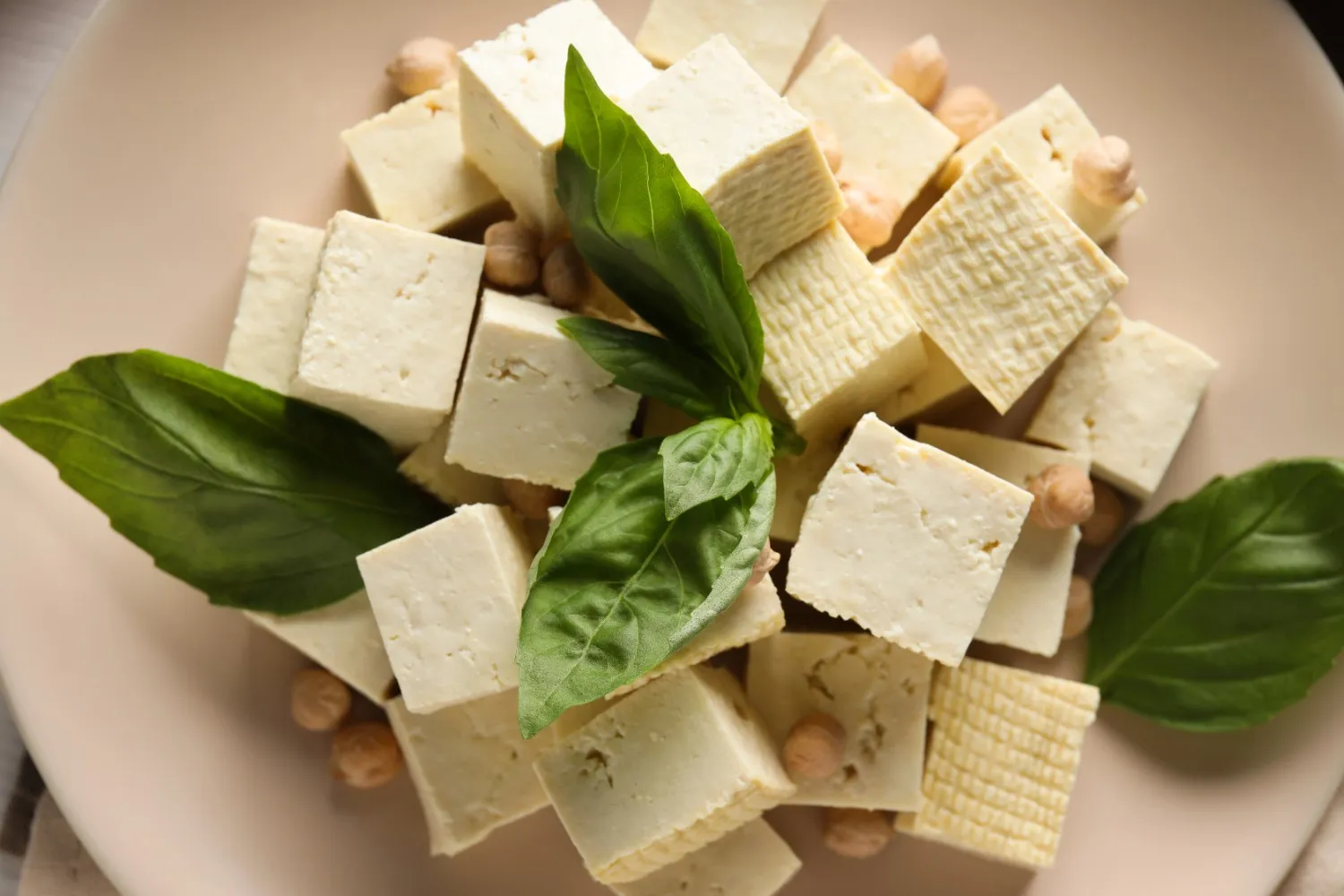
Soy and tofu are also used as a base for crumbles like FETA or creamy cheese spreads. Soy provides a neutral flavor and a significant protein content. A blend of coconut oil and potato (or tapioca) starch gives it a near-perfect blend.
Finally, nutritional yeast and live bacterial cultures are added to provide a savory flavor, giving the cheese an authentic, tangy taste you typically get in aged cheddar.
A CGA Reference Table
For your next grocery shopping trip, here is a quick reference guide to make it easier to shop for cheese:
| Cheese Category | Vegan? | Key Ingredients | Common Trap |
| Standard Dairy | No | Cow/Goat milk, Animal rennet | Uses animal stomach enzymes. |
| Vegetarian Cheese | No | Dairy milk, Microbial rennet | Safe for vegetarians, but still contains dairy. |
| Lactose-Free | No | Dairy milk (lactase added) | Often confused with vegan; still an animal product. |
| Non-Dairy Labels | Maybe | Soy or oil base | The Casein Trap: Some contain milk proteins (casein). |
| Certified Vegan | Yes | Nuts, seeds, starches, oils | The safest pick for 100% plant-based diets. |
Expert Tips to Shop for Vegan Cheese
- On a traditional cheese product, you’ll probably see it labeled “enzymes,” which is quite vague. On a vegan cheese label, it should specifically say “microbial” or “plant-based.”
- If you want a healthy, more protein-filled cheese, go for nut-based vegan cheese. The starch/oil-based options taste great, but they often lack protein.
- European cheeses like Roquefort or Manchego are usually made with animal rennet, shop for vegan alternatives like Greek Style Crumbles.
Ultimately, always check for the “Certified Vegan” seal. This means that the production facility and ingredients were inspected and certified to ensure that no animal products, including honey or casein, were used.
For consumers with severe allergies or who follow strict ethical diets, a third-party certification is the surest way to ensure that no cross-contamination took place.
Frequently Asked Questions (FAQs)
Vegan cheese is primarily made from plant-derived ingredients, and that includes proteins, fats, and plant-based milks. Seeds such as sesame, sunflower seeds, nuts (cashews, pine nuts, peanuts, almonds), and soybeans, are also used in the production of vegan cheese. Other ingredients include tapioca, spices, coconut oil, potatoes, nutritional yeast, tapioca, and rice.
Yes, but only to an extent. There are various ranges of vegan cheese flavors, while some taste very similar to normal cheese, others can be tangy and savory or nutty. The taste depends on the particular plant-based ingredients used.
No, vegan cheese is not high in cholesterol, in fact, it contains none. Vegan cheese is made from healthy fats like coconut oil. It is an excellent alternative to traditional cheese, particularly for people who wish to savor the sweet taste of cheese without spiking their cholesterol levels.
Vegan cheese is not inflammatory as it is devoid of lactose and casein. Vegan cheese is alternatively a better option than dairy cheese which can cause inflammation.
Vegan cheese is typically costlier to make as it requires higher-cost ingredients like pea or soy protein, coconut or nut-based oils, and gums. Not only are these ingredients more expensive to source, they’re also not mass-produced.
Can’t find what you’re looking for?