Cheese is one of the world’s most loved foods. From pizzas to sandwiches and pastas, it makes every dish better. But if you follow a gluten-free diet, you’ve probably wondered, Is cheese gluten-free?
The short answer is that most cheeses are naturally gluten-free. However, some can contain hidden gluten depending on how they are processed, flavored, or handled.
In this guide from Carat Global Assurance (CGA), you’ll learn which types of cheese are safe, where gluten might sneak in, and how to choose the right options for a worry-free, gluten-free lifestyle.
Is Cheese Gluten Free?
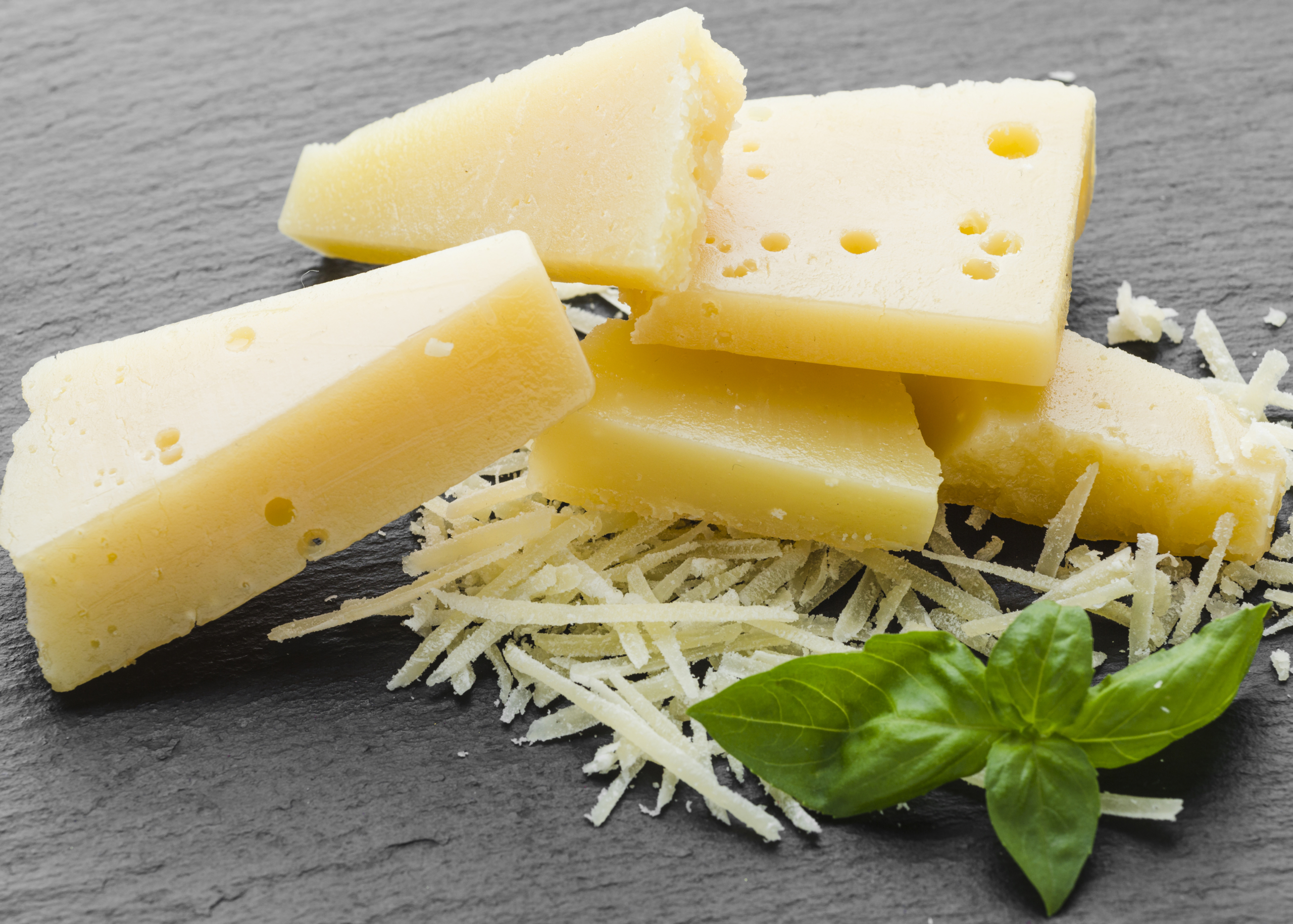
Yes, most natural cheeses, such as cheddar, mozzarella, Parmesan, Swiss, and feta, are completely gluten-free. These are made from simple ingredients like milk, salt, and bacterial cultures that contain no wheat, barley, or rye.
Did you know? According to consumer labeling research, more than 65 percent of packaged cheese buyers now look for gluten-free or clean-label indicators before purchasing.
Mostly, cheese consumed globally is naturally gluten-free. Gluten issues only appear when additives, coatings, or artificial flavorings are used. However, some types of cheese may require closer attention.
| Cheese Type | Gluten-Free Status | Remarks |
| Natural Cheese (Cheddar, Mozzarella, Parmesan, Swiss, Feta) | Yes | Naturally gluten-free |
| Processed Cheese | Sometimes | May include gluten-containing additives |
| Flavored Cheese | Check Label | Gluten can be present in seasonings |
| Cross-Contaminated Cheese | Risk | Possible traces from handling |
What Gluten-Free Consumers Need to Watch Out For
Even if cheese starts out gluten-free, certain additives or handling processes can change that. Here are the main situations that require extra attention.
1. Processed and Pre-Packaged Cheese
Processed cheese slices or spreads can include starches, fillers, or flavor enhancers that contain gluten. These ingredients are often used to improve texture or extend shelf life.
Tips to stay safe:
- Read the ingredient list on every label.
- Avoid products containing wheat, barley, malt, or starch.
- Choose sealed brands labeled gluten-free.
- Skip cheese spreads or individually wrapped slices with unclear additives.
2. Flavored and Seasoned Cheese
Cheese that is flavored or coated with herbs, spices, or sauces can sometimes contain gluten. Ingredients such as malt extract or wheat-based thickeners are common culprits in gourmet or pre-seasoned cheeses.
Tips to stay safe:
- Check if the flavorings contain wheat or malt extract.
- Stick to plain, unseasoned cheese if unsure.
- Choose brands that clearly indicate gluten-free status.
- Be cautious with gourmet or artisanal flavored cheeses that may not label all ingredients.
3. Cross Contamination Risks
Even natural cheese can pick up gluten if processed or packaged in facilities that handle wheat-based products. Pre-shredded cheese and deli counter cheese are most at risk because of shared equipment.
Tips to minimize risk:
- Buy pre-packaged cheese rather than deli-sliced cheese from shared counters.
- Use clean utensils and surfaces at home to prevent contamination.
- Check for “gluten-free certified” labels. If very sensitive, prefer sealed blocks of cheese over shredded or sliced options.
How to Select and Keep Gluten-Free Cheese Safe
Even when cheese is naturally gluten-free, making safe choices at the store and storing it properly helps avoid gluten contamination.
Helpful tips:
- Choose brands labeled gluten-free whenever possible.
- Prefer blocks of cheese over shredded or sliced to reduce contamination risk.
- Check expiration dates to ensure freshness.
- Store cheese in clean, separate containers to avoid contact with gluten-containing foods.
- When in doubt, contact the manufacturer to confirm gluten-free status.
Frequently Asked Questions (FAQs)
Q. Can I safely eat aged cheeses like Parmesan or Gouda?
Yes, aged cheeses are naturally gluten-free because gluten isn’t part of the aging process. They are generally safe for celiac disease or gluten sensitivity.
Q. Are all vegan or plant-based cheeses gluten-free?
Not always. Some use starches, thickeners, or flavorings that may contain gluten. Always read the label or choose certified gluten-free plant-based cheeses.
Q. Does cooking or melting cheese introduce gluten?
No, cheese itself never adds gluten. The risk comes from sauces, seasonings, or processed cheese products used with it. Stick to plain or labeled gluten-free products.
Q. Is pre-grated or powdered cheese safe for gluten-free diets?
Many packaged, grated, or powdered cheeses include anti-caking agents or fillers that may contain gluten. Look for products labeled gluten-free to be sure.
Q. How can I enjoy cheese safely at restaurants?
Cross-contamination is possible in shared kitchens. Ask staff about gluten-free handling or stick to pre-packaged or certified cheeses to avoid hidden gluten.